

Cultural perspectives on casino experiences across different countries
The Historical Context of Casinos
The history of casinos is intertwined with various cultural narratives around the globe. In ancient civilizations, gambling was often tied to religious rituals and social gatherings, reflecting the values and beliefs of those societies. For example, in ancient Rome, dice games were popular among soldiers, serving as a form of entertainment that also reinforced camaraderie. This historical backdrop reveals how gokong.bet gambling has been a significant part of human interaction, adapting over the centuries to fit the social fabric of different cultures.
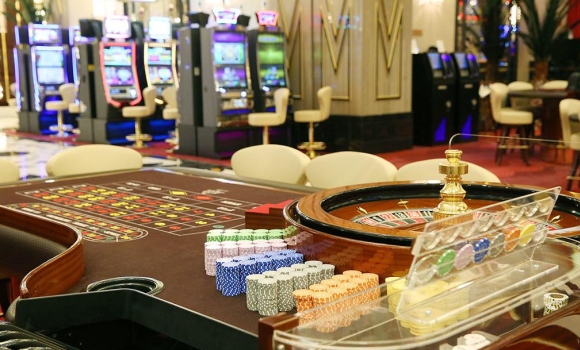
As societies evolved, so too did the perception of casinos. In the 19th century, the first modern casinos emerged in Europe, particularly in countries like France and Italy, where they became synonymous with luxury and leisure. This period saw the establishment of the Monte Carlo Casino, which remains a symbol of sophistication and high-stakes gambling. The evolving landscape of casinos reflects not just changes in economic conditions but also shifts in cultural attitudes towards risk and reward.
In contrast, some cultures have taken a more cautious view towards gambling, often associating it with negative social consequences. In many Middle Eastern countries, for instance, gambling is prohibited due to religious beliefs. The cultural narrative around casinos in these regions emphasizes restraint and the importance of community values over individual indulgence. This dichotomy illustrates the complex interplay between cultural norms and the evolution of casino experiences worldwide.
Modern Casino Culture in the United States
The modern casino culture in the United States is characterized by a blend of entertainment, luxury, and economic stimulus. Las Vegas stands as the epitome of this phenomenon, where casinos are not just places for gambling but comprehensive entertainment complexes. Here, visitors can enjoy extravagant shows, fine dining, and nightlife, turning the casino experience into a multifaceted event. This broad approach has made Las Vegas a global destination, attracting millions annually and significantly contributing to the local and national economy.
Moreover, the cultural acceptance of gambling in the U.S. is shaped by individualism and the pursuit of the American Dream. Many view casinos as a space for personal freedom and opportunity, where anyone can potentially change their fortune overnight. This ideal fuels a vibrant and sometimes risky gambling culture, with advertisements and promotions frequently highlighting the excitement and allure of striking it rich, creating a unique experience that is quintessentially American.
However, alongside this allure, there are rising concerns about gambling addiction and its social ramifications. States have begun implementing measures to promote responsible gambling, reflecting a growing awareness of the need to balance economic benefits with the protection of individuals. This nuanced approach to casino culture in the U.S. reveals the ongoing dialogue between indulgence and responsibility, making the casino experience a complex reflection of American society.
Asian Casino Dynamics and Cultural Beliefs
In Asia, the casino landscape is marked by distinct cultural beliefs and practices that shape the gambling experience. Countries like Macau have emerged as significant gambling hubs, attracting visitors with their lavish casinos and diverse gaming options. The cultural significance of luck and fortune in many Asian traditions plays a pivotal role in how casinos are perceived and experienced. For instance, the Chinese New Year is often associated with gambling, as families gather to play traditional games, reflecting the deep-rooted cultural connections to chance and prosperity.
Moreover, the interaction between tradition and modernity in Asian casinos creates a unique atmosphere. Many establishments incorporate elements of local culture, such as feng shui principles, into their design to enhance the gaming experience. This blending of old and new not only attracts locals but also appeals to international tourists seeking an authentic experience. The cultural narratives surrounding luck and fortune can intensify the emotional stakes of gambling, making each visit to a casino a profound event filled with expectations.
However, the rise of gambling in Asia has also sparked significant debate regarding its social impact. Some cultures advocate for strict regulations, while others embrace the economic potential of the industry. This ongoing discourse demonstrates the tension between preserving cultural values and adapting to contemporary trends, highlighting the multifaceted nature of casino experiences across the continent.
European Attitudes Towards Gambling and Casinos
Europe presents a rich tapestry of attitudes towards gambling, with each country contributing its unique perspective. In countries like the United Kingdom, casinos are integrated into the social fabric, often viewed as places for leisure and relaxation. The UK boasts a strong regulatory framework that aims to ensure responsible gambling while allowing operators to flourish, reflecting a balanced approach to this entertainment industry. British casinos often emphasize comfort and social interaction, fostering a communal atmosphere where the experience extends beyond mere gaming.
In contrast, Scandinavian countries like Norway and Sweden exhibit a more cautious stance towards gambling. Strict regulations govern the industry, with government-operated casinos dominating the market. This approach underscores a cultural tendency towards moderation and responsible consumption. For many in these regions, gambling is seen as an activity to be approached with caution rather than indulgence, creating a unique casino experience that prioritizes player safety and welfare over exuberance.
Additionally, the emergence of online casinos has further transformed the gambling landscape in Europe. The convenience of digital gaming platforms has made it easier for individuals to engage with casino experiences from home, altering traditional perceptions. While this shift presents opportunities for economic growth, it also raises concerns about accessibility and potential addiction. Thus, European attitudes towards casinos continue to evolve, influenced by cultural values and technological advancements.

Exploring Online Casino Experiences Globally
The rise of online casinos has revolutionized the way people experience gambling, transcending geographical barriers and cultural boundaries. With platforms like GoKong Casino offering thousands of games, players now have access to a vast array of options from the comfort of their homes. This shift has allowed for a more inclusive gaming environment, where individuals can engage in casino experiences that may have been previously restricted by local laws or cultural norms. The availability of diverse games caters to varying tastes and preferences, broadening the appeal of online casinos.
Cultural nuances play a significant role in shaping how online gambling is approached. In some cultures, online gambling is embraced as a modern form of entertainment, while in others, it may still carry a stigma. This dichotomy impacts marketing strategies and user engagement, as operators must navigate the cultural sentiments surrounding gambling. Understanding these perspectives is crucial for online casinos to create appealing and culturally sensitive experiences that resonate with players worldwide.
Moreover, the global nature of online casinos fosters a sense of community among players from different backgrounds. Through chat functions and social features, individuals can interact, share experiences, and even form friendships. This cross-cultural exchange enriches the online gambling experience, creating a unique environment that emphasizes shared enjoyment and social interaction, despite geographical differences. As online casinos continue to evolve, they are redefining what it means to engage in gambling in a global context.
